Medicinal Herb Seeds: Echinacea, Valerian & St. John’s Wort Cold Stratification and Chemical Soaks
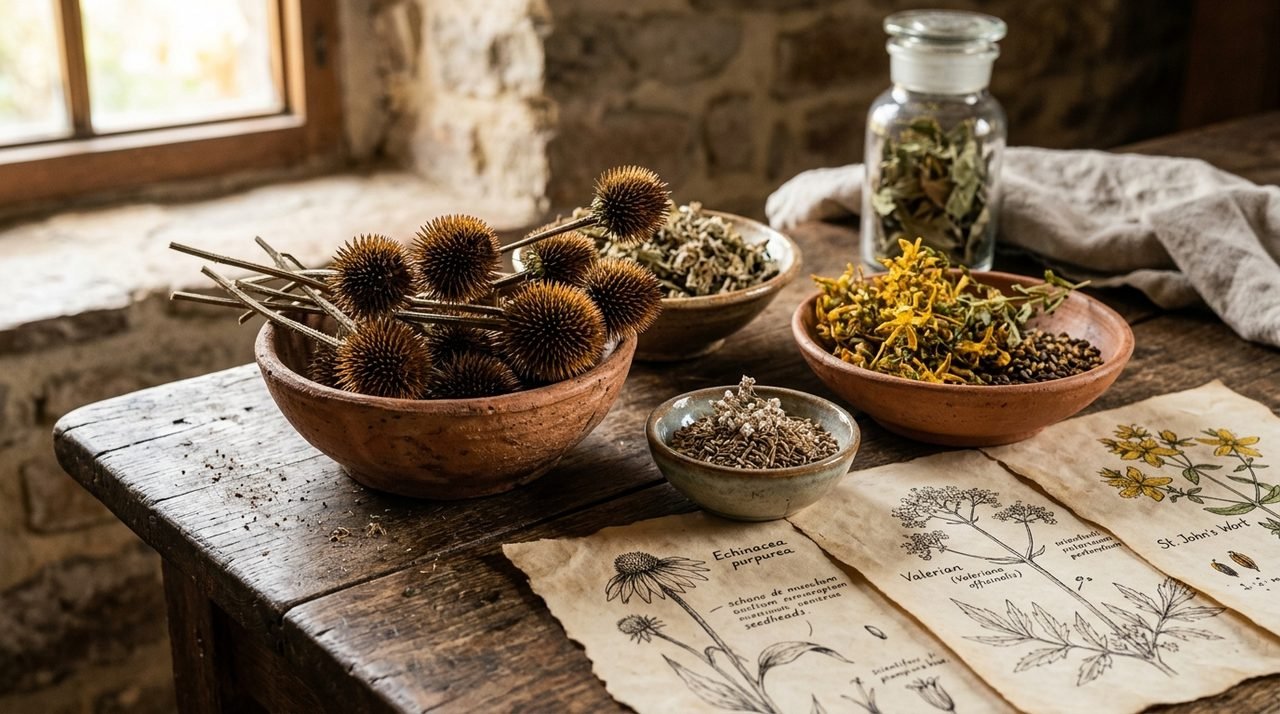
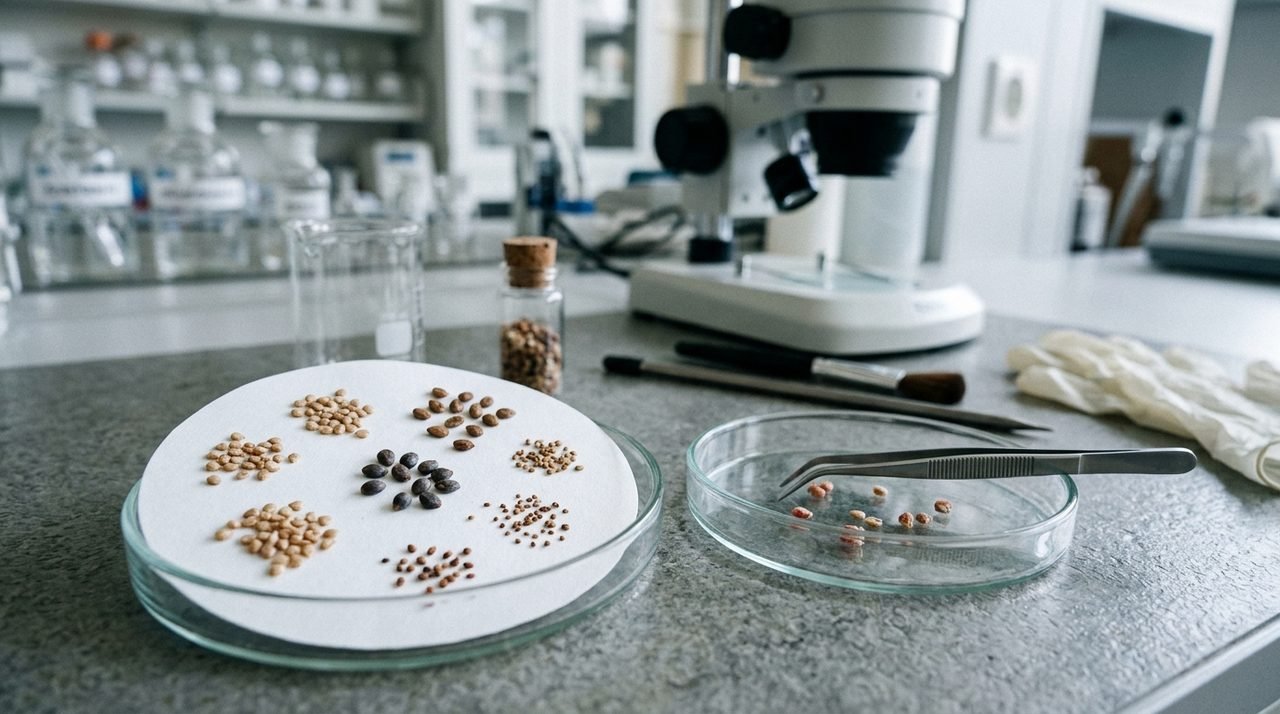
The cultivation of botanical medicinals—including purple coneflower (Echinacea purpurea and Echinacea angustifolia), valerian (Valeriana officinalis), and St. John’s wort (Hypericum perforatum)—connects modern pharmacognosy with ancient herbal medicine. Unlike domesticated garden vegetables that have been bred over millennia for rapid, uniform germination, medicinal herbs remain essentially semi-wild plants. Their seeds retain complex evolutionary dormancy adaptations designed … Read more
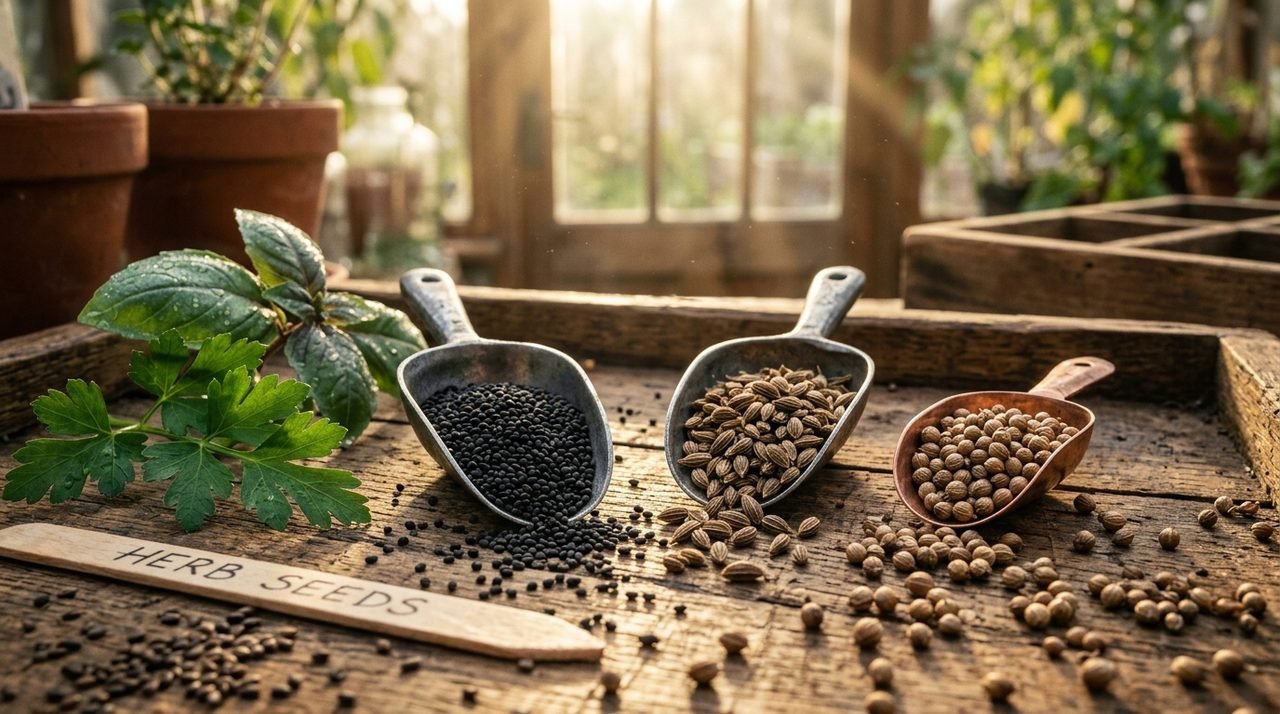
Culinary Herb Seeds: Basil, Parsley & Cilantro Photoblastism, Mucilage, and Embryo Immature States

Culinary herbs—including sweet basil (Ocimum basilicum), flat-leaf and curly parsley (Petroselinum crispum), and cilantro or coriander (Coriandrum sativum)—are foundational to culinary traditions worldwide and represent the most frequently sown herbs in domestic kitchen gardens. Yet, horticulturists routinely encounter perplexing germination challenges: basil seeds suddenly coating themselves in a bizarre gelatinous slime upon watering, parsley seeds … Read more

Citrus Seeds: Nucellar Embryony, Polyembryonic Seedlings, and Recalcitrant Storage Limits

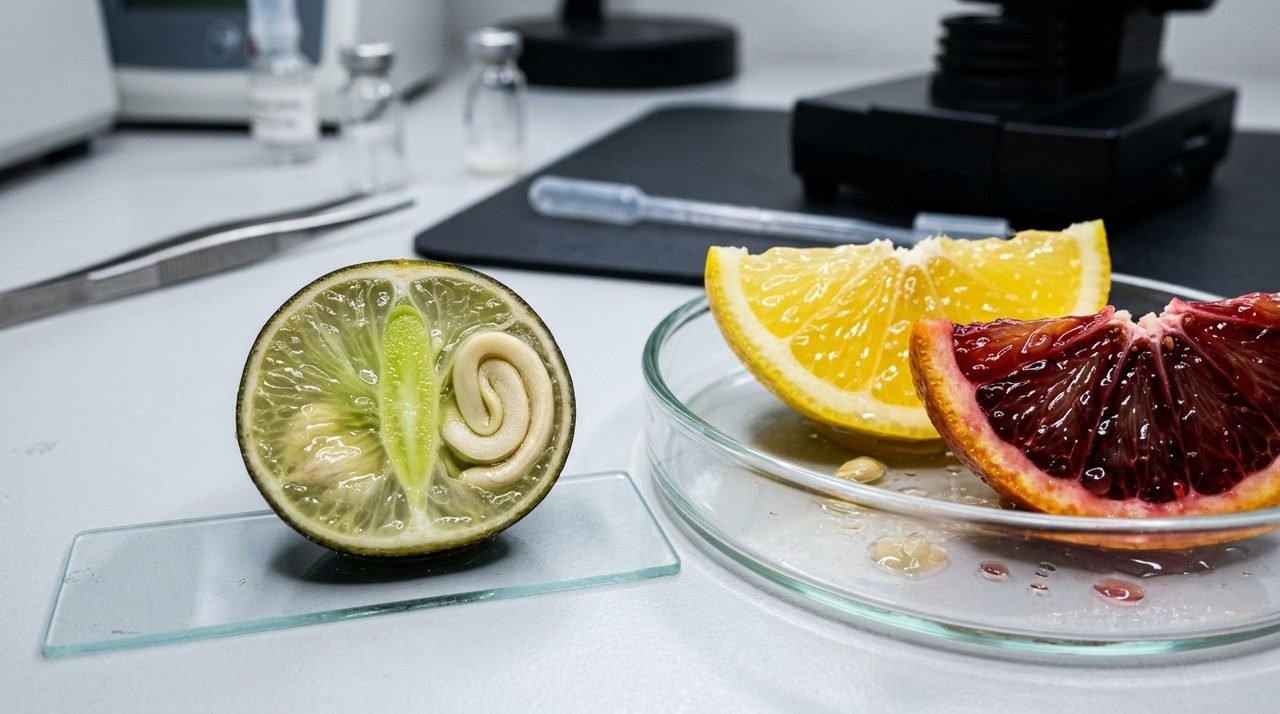
The propagation of citrus fruits—including sweet oranges (Citrus sinensis), lemons (Citrus limon), limes (Citrus aurantiifolia), mandarins (Citrus reticulata), and rootstock species like trifoliate orange (Poncirus trifoliata)—from botanical seed introduces one of the most remarkable and useful phenomena in plant biology: nucellar embryony and polyembryony. In almost all flowering plants, a seed contains a single embryo … Read more

Berry Seeds: Strawberry, Raspberry & Blueberry Acid Scarification and Microbial Extraction

Propagating small berry crops—including woodland and garden strawberries (Fragaria spp.), raspberries and blackberries (Rubus spp.), and blueberries and cranberries (Vaccinium spp.)—from botanical seed offers extraordinary potential for plant breeders and permaculturists seeking novel disease-resistant traits, compact growth habits, and regionally acclimated fruit varieties. However, berry seeds are among the most notoriously erratic and slow-germinating seeds … Read more

Stone Fruit Seeds: Peach, Plum & Cherry Endocarp Cracking, Warm/Cold Cycling, and Chilling

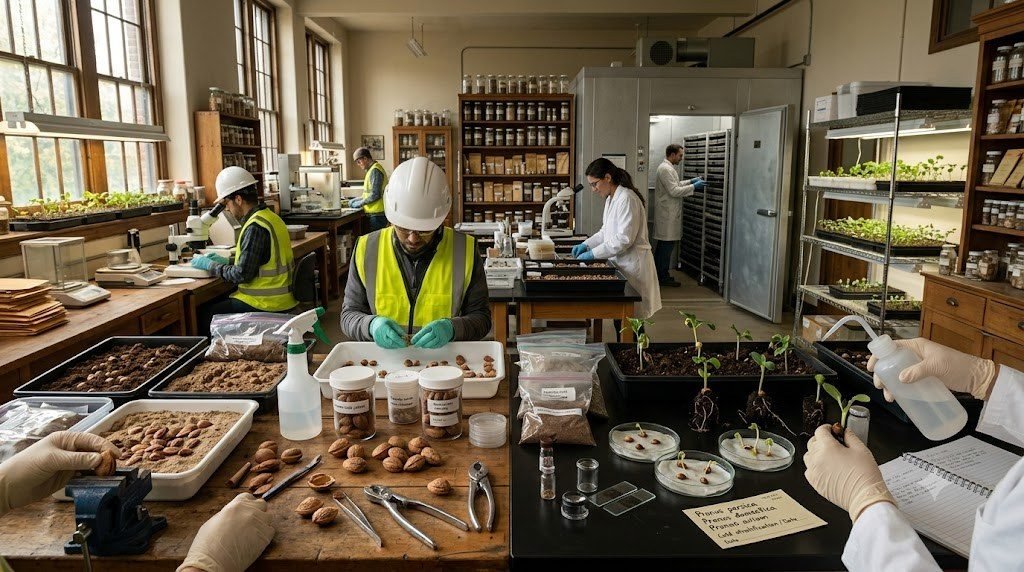
The botanical subgenus Prunus—encompassing stone fruits such as peaches, nectarines, plums, apricots, and sweet and sour cherries—produces some of the most robust, armored seeds in the plant kingdom. Botanically, the fruit of a Prunus species is classified as a drupe: a fleshy outer mesocarp enclosing a hard, heavily lignified protective inner shell termed the endocarp … Read more

Apple & Pear Pome Fruit Seeds: Cold Stratification, Embryo Dormancy, and Seedling Rootstocks

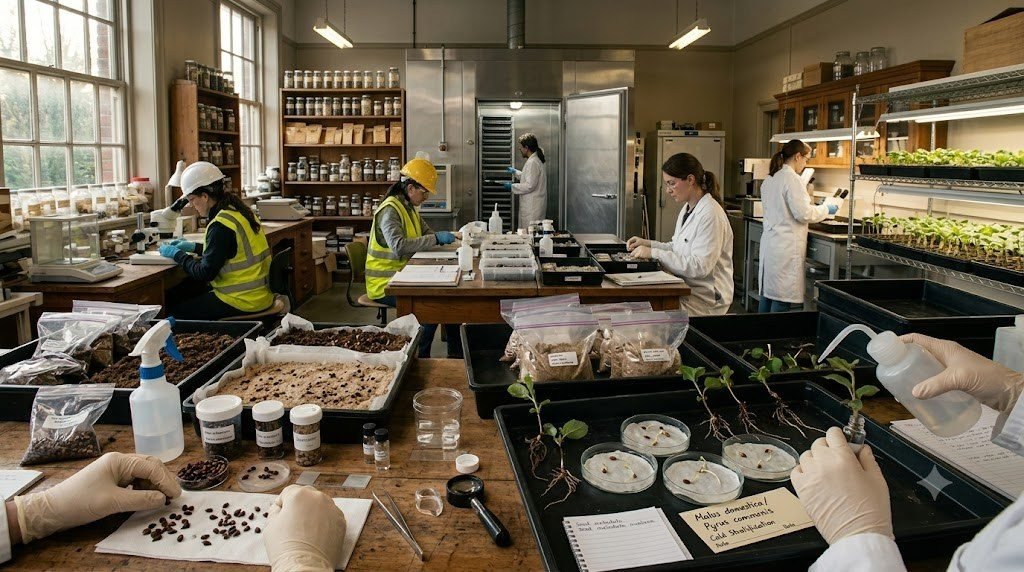
The propagation of pome fruits—encompassing domestic apples (Malus domestica), European pears (Pyrus communis), and Asian pears (Pyrus pyrifolia)—from botanical seed is a fascinating scientific journey that underpins both heritage orchard history and modern disease-resistant rootstock breeding. Unlike commercial orchard cloning where named cultivars are propagated via dormant branch budding or bench grafting, sowing pome fruit … Read more

Legume Seeds: Nitrogen Fixation Inoculation, Pod Dehiscence, and Bruchid Weevil Control

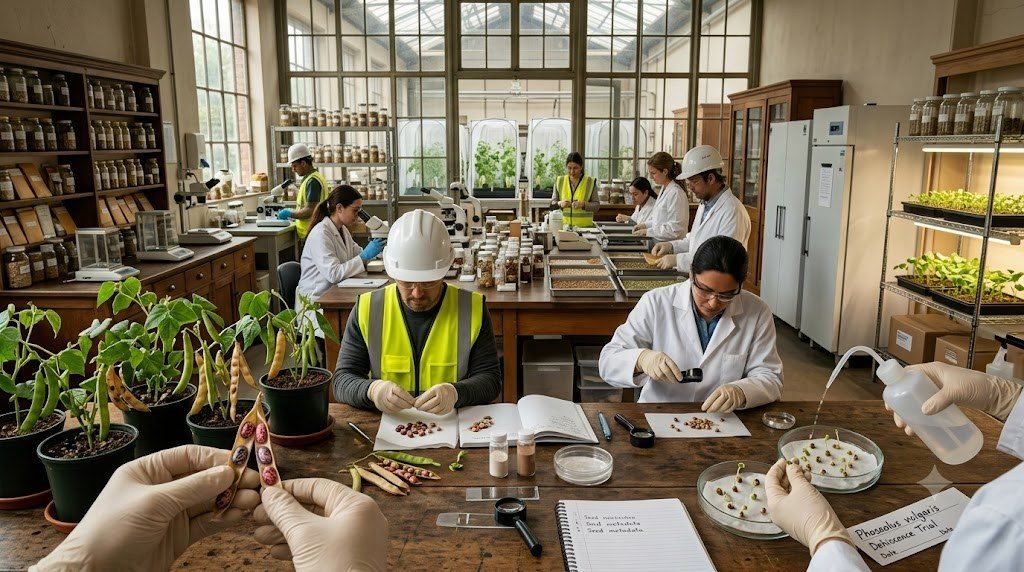
For beginner seed stewards and experienced market growers alike, common garden legumes—including bush and pole beans (Phaseolus vulgaris), cowpeas (Vigna unguiculata), and garden peas (Pisum sativum)—represent the most approachable and rewarding crops for home seed saving. Legumes produce large, easily handled seeds with high food storage reserves, generous seedling vigor, and remarkable genetic stability. The … Read more

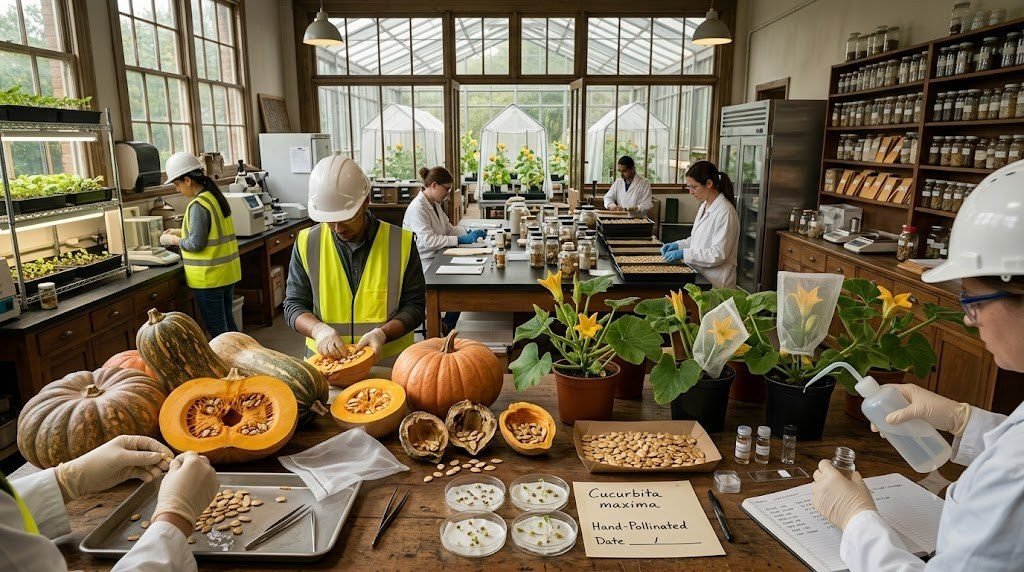
Cucurbit Seeds: Hand-Pollination Mechanics, Blossom Bagging, and Seed Cavity Curing

The vine-growing family Cucurbitaceae—encompassing winter squash, summer squash, pumpkins, cucumbers, watermelons, and cantaloupes—produces some of the most generous seed yields in the home garden. A single mature butternut squash or heirloom melon fruit can yield several hundred plump, nutrient-dense seeds capable of maintaining germination viability for five to six years under proper storage. However, cucurbits … Read more

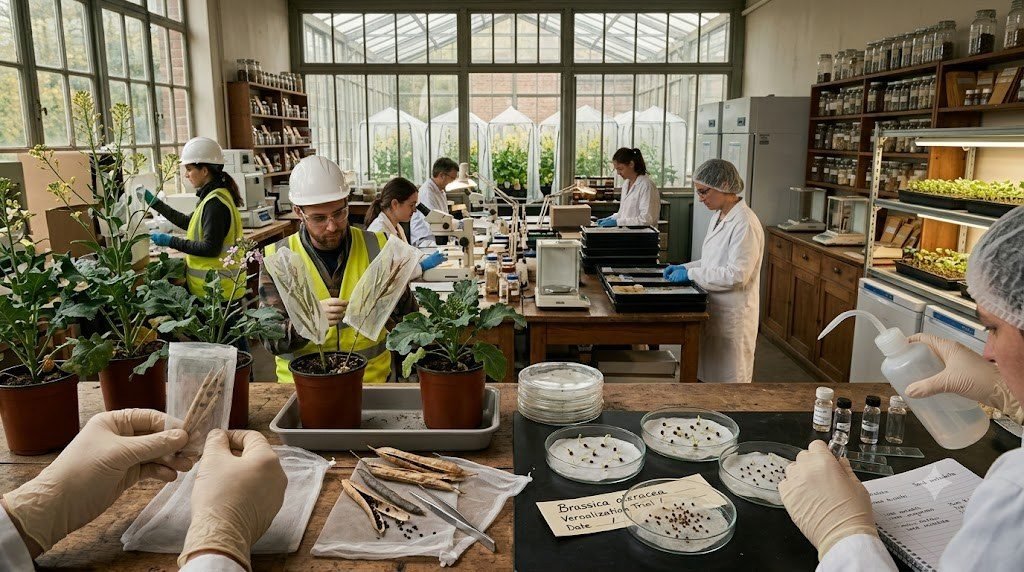
Brassica Seeds: Vernalization Physiology, Pollination Isolation, and Pod Shatter

The botanical genus Brassica encompasses many of humanity’s most nutritious and economically vital cool-season vegetable crops: cabbage, kale, broccoli, cauliflower, Brussels sprouts, kohlrabi, collards, and rutabagas. What astonishes many novice horticulturists is that despite their drastically divergent culinary forms, cabbage, kale, broccoli, and cauliflower all belong to a single, highly polymorphic botanical species: Brassica oleracea. … Read more

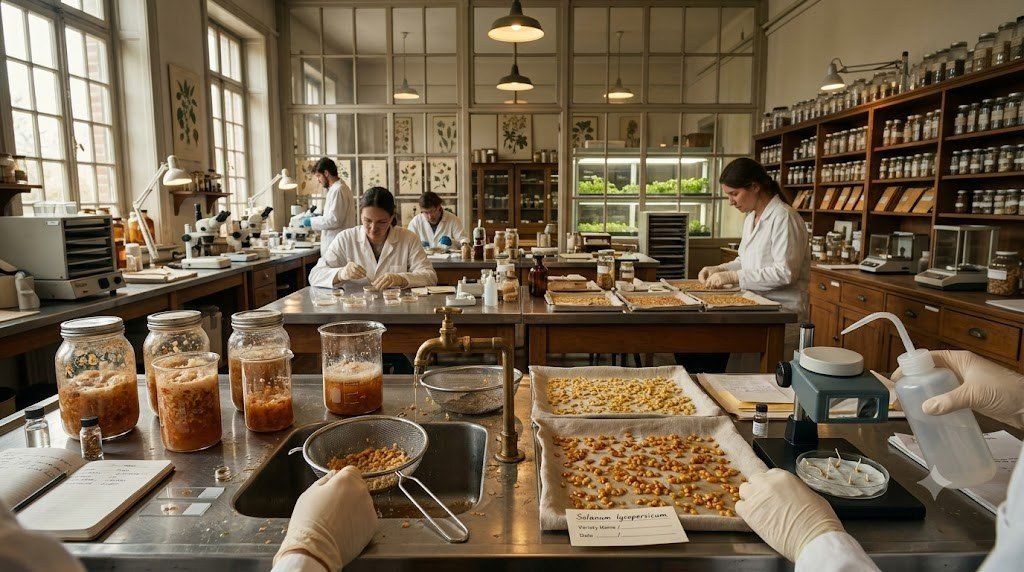
Heirloom Tomato Seeds: Fermentation Extraction, Gel De-Inhibition, and Viability

In organic horticulture and heritage crop conservation, saving seeds from heirloom tomatoes (Solanum lycopersicum) represents the gold standard of varietal preservation. Unlike commercial F1 hybrid tomatoes whose progeny segregate unpredictably into erratic wild traits, open-pollinated heirloom cultivars—such as ‘Brandywine’, ‘Cherokee Purple’, and ‘San Marzano’—breed completely true-to-type across generations, preserving unique flavor profiles, regional disease tolerances, … Read more