Legume Seeds: Nitrogen Fixation Inoculation, Pod Dehiscence, and Bruchid Weevil Control
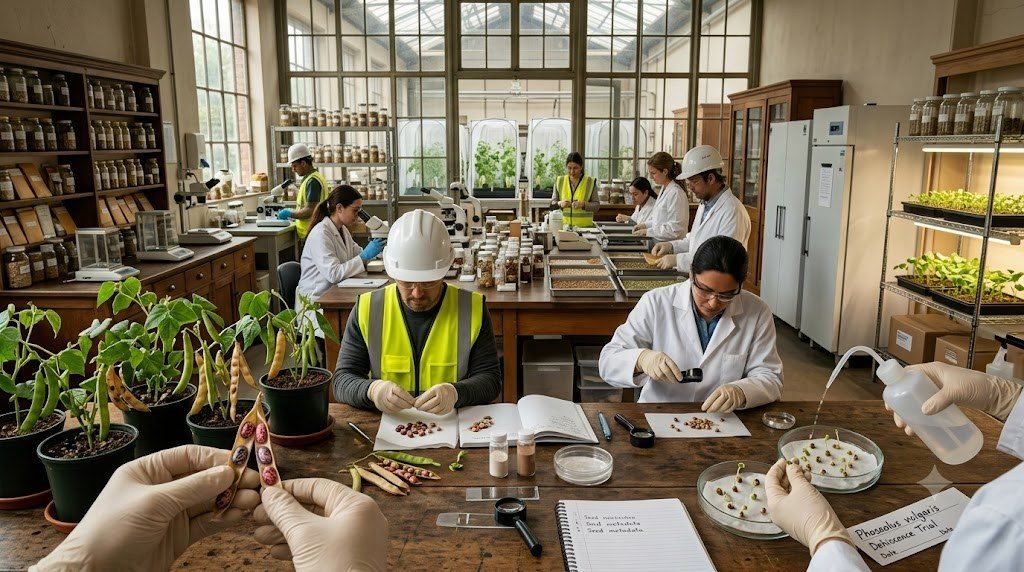
For beginner seed stewards and experienced market growers alike, common garden legumes—including bush and pole beans (Phaseolus vulgaris), cowpeas (Vigna unguiculata), and garden peas (Pisum sativum)—represent the most approachable and rewarding crops for home seed saving. Legumes produce large, easily handled seeds with high food storage reserves, generous seedling vigor, and remarkable genetic stability. The … Read more
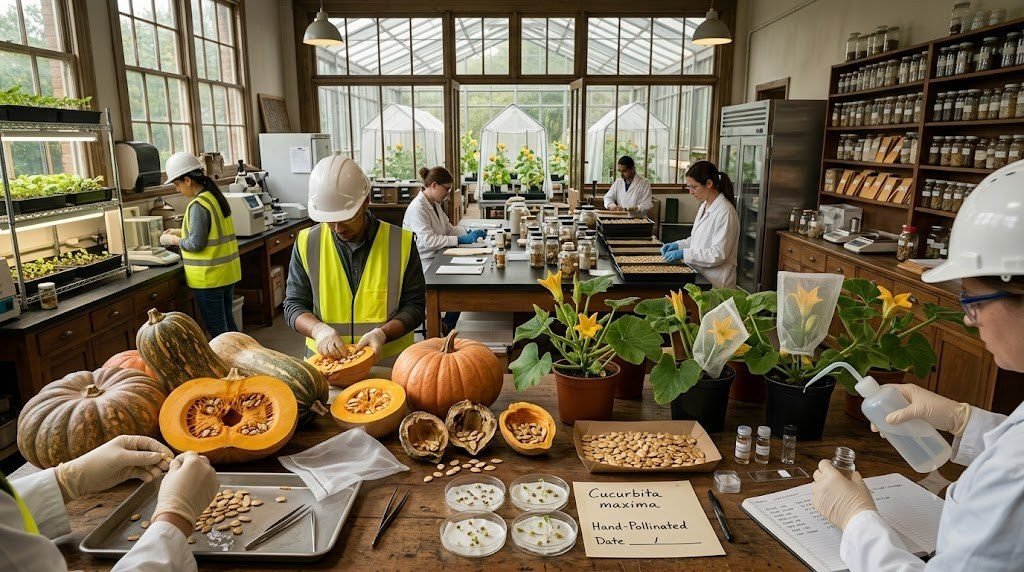
Cucurbit Seeds: Hand-Pollination Mechanics, Blossom Bagging, and Seed Cavity Curing

The vine-growing family Cucurbitaceae—encompassing winter squash, summer squash, pumpkins, cucumbers, watermelons, and cantaloupes—produces some of the most generous seed yields in the home garden. A single mature butternut squash or heirloom melon fruit can yield several hundred plump, nutrient-dense seeds capable of maintaining germination viability for five to six years under proper storage. However, cucurbits … Read more

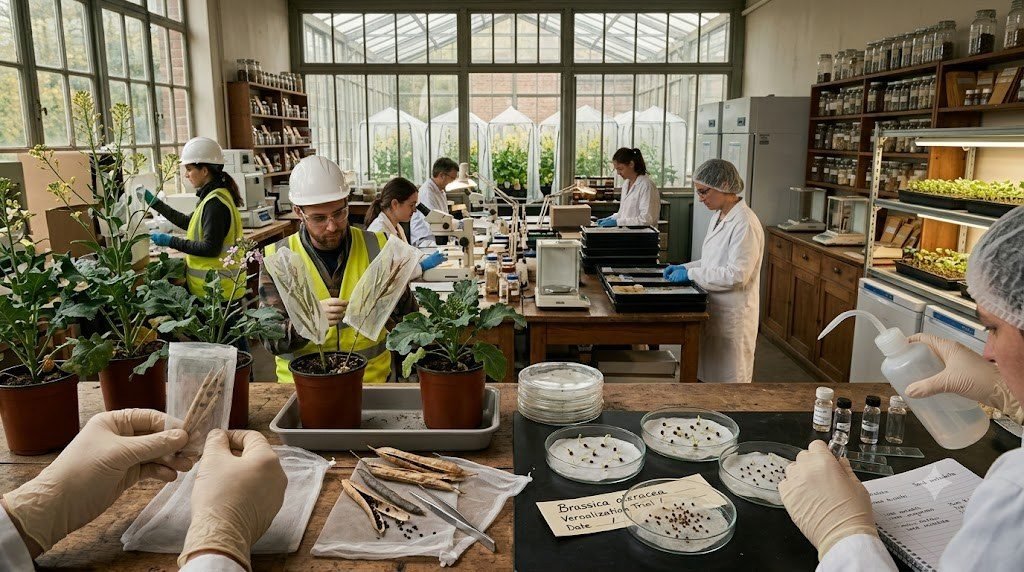
Brassica Seeds: Vernalization Physiology, Pollination Isolation, and Pod Shatter

The botanical genus Brassica encompasses many of humanity’s most nutritious and economically vital cool-season vegetable crops: cabbage, kale, broccoli, cauliflower, Brussels sprouts, kohlrabi, collards, and rutabagas. What astonishes many novice horticulturists is that despite their drastically divergent culinary forms, cabbage, kale, broccoli, and cauliflower all belong to a single, highly polymorphic botanical species: Brassica oleracea. … Read more

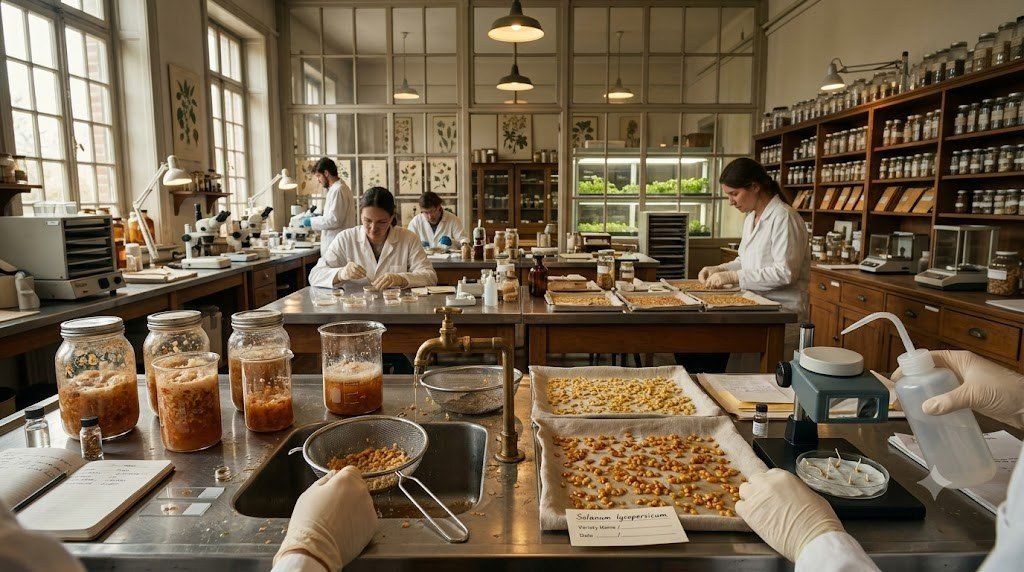
Heirloom Tomato Seeds: Fermentation Extraction, Gel De-Inhibition, and Viability

In organic horticulture and heritage crop conservation, saving seeds from heirloom tomatoes (Solanum lycopersicum) represents the gold standard of varietal preservation. Unlike commercial F1 hybrid tomatoes whose progeny segregate unpredictably into erratic wild traits, open-pollinated heirloom cultivars—such as ‘Brandywine’, ‘Cherokee Purple’, and ‘San Marzano’—breed completely true-to-type across generations, preserving unique flavor profiles, regional disease tolerances, … Read more