
Long-Term Seed Banking Science: Equilibrium Moisture Content, Harrington’s Rule, and Hermetic Cold Storage

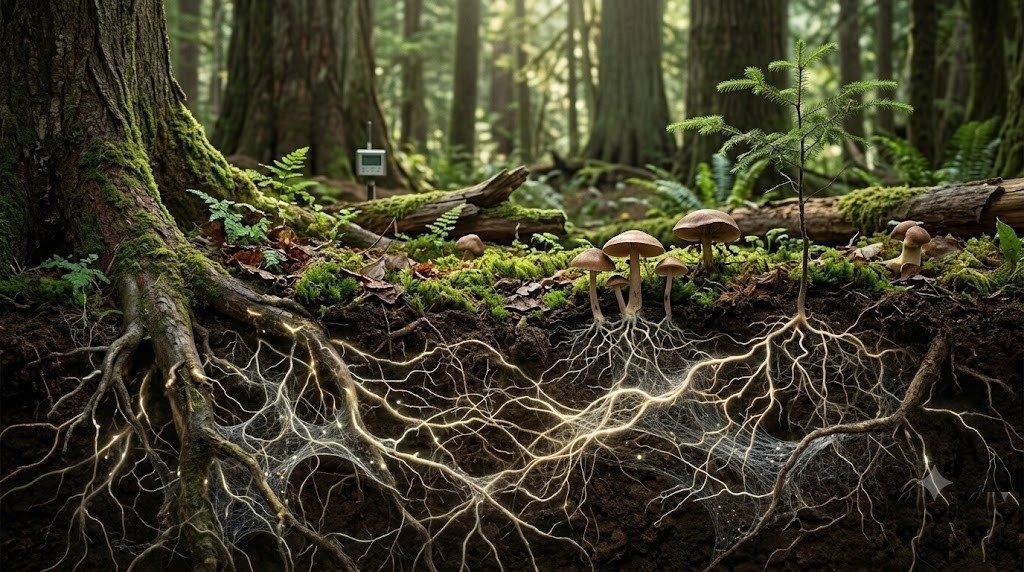
From the world’s premier crop conservation vault—the Svalbard Global Seed Vault buried deep inside Arctic permafrost—to a small mason jar resting inside a backyard homesteader’s freezer, the underlying scientific principles of long-term seed preservation remain fundamentally identical. The objective of seed banking is to slow down the relentless thermodynamic and biochemical processes of cellular aging, … Read more
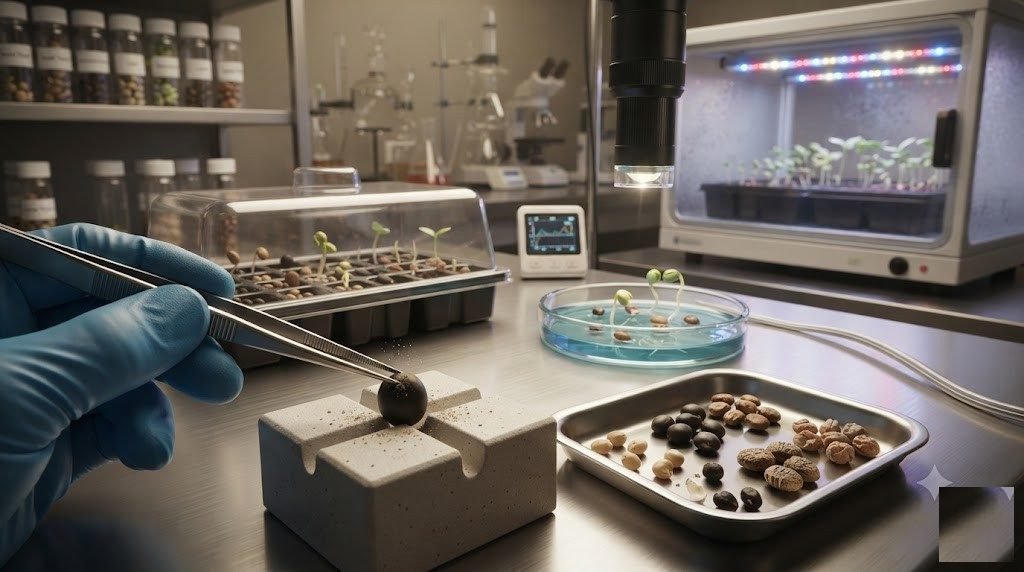
Seed Viability Testing Protocols: The Ragdoll Paper Towel Test, Blotters, and Tetrazolium Assays

Before committing valuable labor, greenhouse bench space, organic compost, and field acreage to sowing a batch of stored seeds, agriculturalists and seed bank curators must answer a vital question: What percentage of these seeds are alive and capable of producing vigorous, healthy seedlings? Relying on unverified, old seed packets can result in catastrophic stand failures, … Read more

Wet vs. Dry Seed Processing: Fermentation, Decantation, Winnowing, and Screen Grading

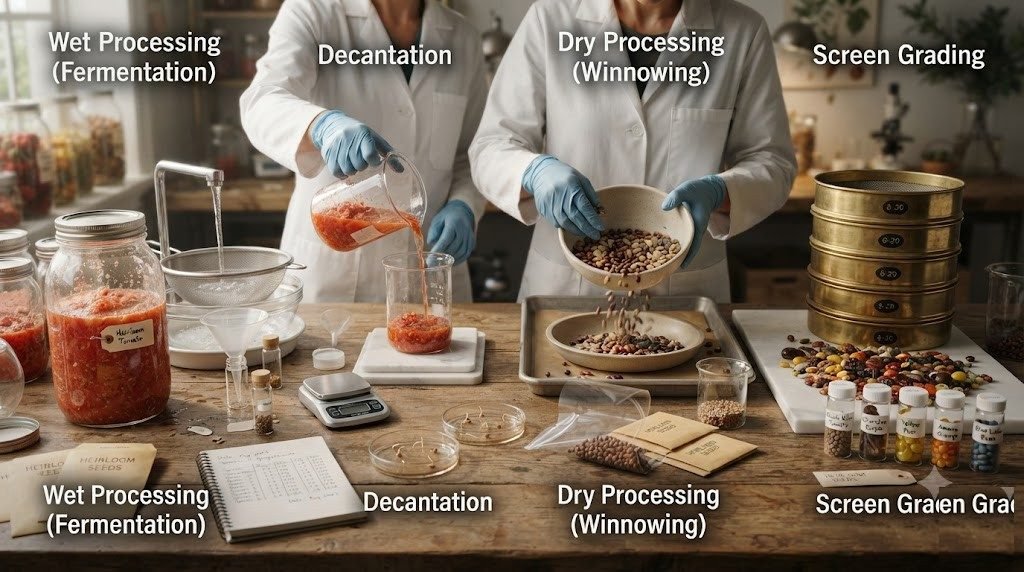
In seed banking, commercial seed production, and community seed saving, harvesting botanical seeds from the mother plant is only the first phase of seed stewardship. Raw seed collections arriving from the garden or field are contaminated with plant chaff, dried husks, dirt particles, weed seeds, insect frass, and hollow unfertilized seed coats. Furthermore, seeds born … Read more

Seed Germination Physiology: Triphasic Water Imbibition, Phytochrome Signaling, and Gibberellin Mobilization

At the center of all agricultural plant life lies the miracle of seed germination—the physiological transition of a quiescent, dehydrated plant embryo into a metabolically active, rapidly growing seedling. A dry mature seed is an astonishing biological capsule: living cells contain as little as 5% to 10% water, cellular respiration is throttled to near-zero stasis, … Read more

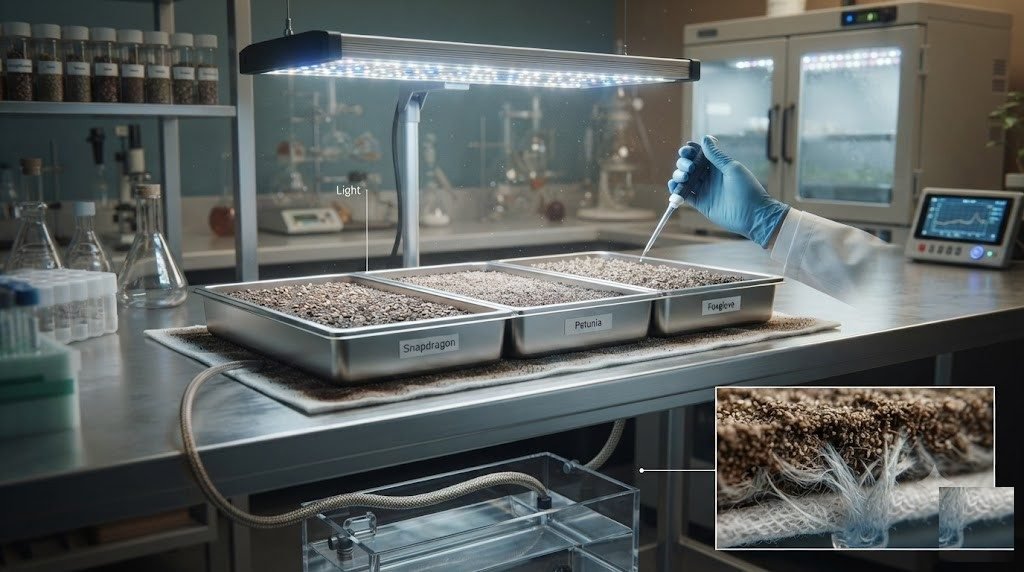
Fine Ornamental Flower Seeds: Snapdragon, Petunia & Foxglove Surface Sowing, Light, and Capillary Wicking

In ornamental floriculture, some of the most spectacular, high-value flowering plants produce seeds so extraordinarily tiny they resemble fine dust or ground black pepper. Sowing fine-seeded ornamental species—such as garden snapdragons (Antirrhinum majus), modern hybrid petunias (Petunia × hybrida), biennial foxgloves (Digitalis purpurea), flowering tobacco (Nicotiana alata), and trailing lobelia (Lobelia erinus)—presents unique physical challenges … Read more

Hard-Coated Flower Seeds: Morning Glory, Sweet Pea & Lupine Mechanical Scarification and Nicking

Certain ornamental flowering plants produce seeds encased within armored, rock-hard seed coats designed to survive severe environmental adversity, drought, forest fires, and animal ingestion. Classic garden favorites in this category include morning glories and moonflowers (Ipomoea spp.), sweet peas (Lathyrus odoratus), hybrid perennial lupines (Lupinus polyphyllus), and canna lilies (Canna indica). When sown straight from … Read more

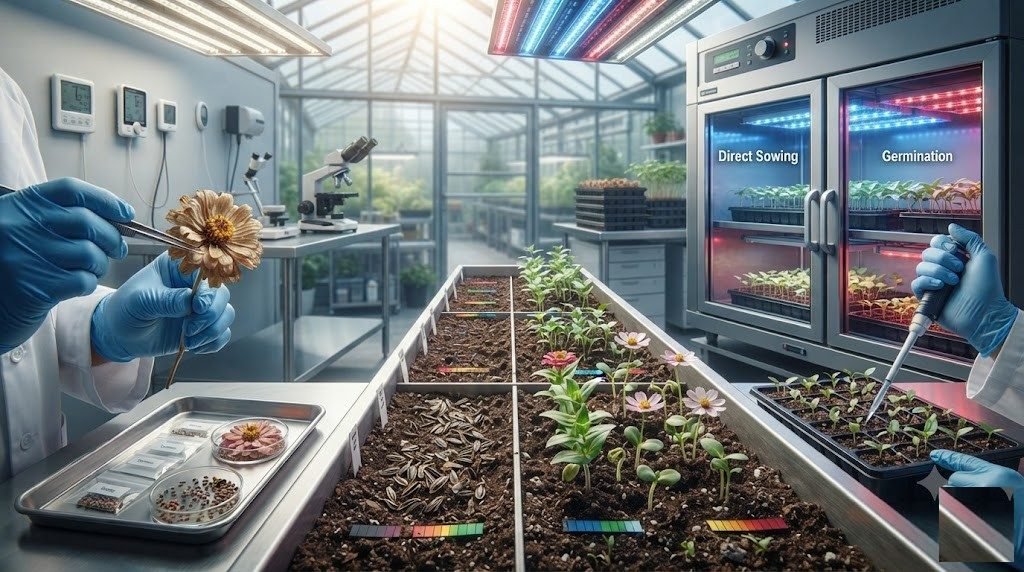
Annual Cut Flower Seeds: Zinnia, Cosmos & Sunflower Direct Sowing, Thermal Bands, and Ray Floret Harvest

Commercial cut flower farming and domestic floral cutting gardens rely upon high-yielding, rapid-turnaround warm-season annual flowers: vibrant multi-layered zinnias (Zinnia elegans), airy feathery cosmos (Cosmos bipinnatus and Cosmos sulphureus), and stately single-stem branching sunflowers (Helianthus annuus). Sown directly from seed, these annual champions transform bare garden soil into dazzling displays of cut blooms within 55 … Read more

Native Wildflower Seeds: Milkweed, Coneflower & Columbine Cold Vernalization and Stratification

In ecological restoration, pollinator conservation, and native plant landscaping, propagating indigenous perennial wildflowers from botanical seed is the single most effective method for establishing self-sustaining biodiverse habitats. Species such as showy milkweed (Asclepias speciosa) and common milkweed (Asclepias syriaca), pale purple coneflower (Echinacea pallida), wild columbine (Aquilegia canadensis), and blazing star (Liatris spicata) provide indispensable … Read more

Aromatic Umbellifer Seeds: Dill, Fennel & Anise Schizocarp Morphology, Essential Oils, and Fleeting Viability

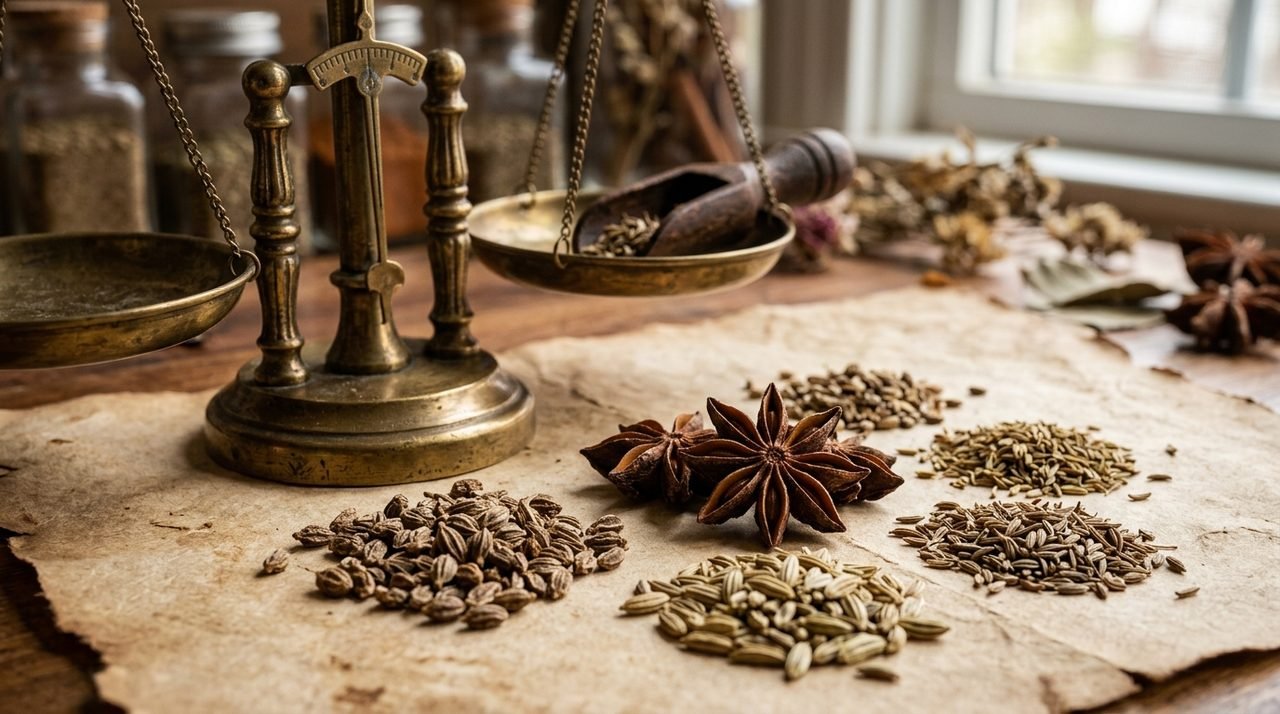
The botanical family Apiaceae (formerly known as the Umbelliferae)—including culinary and medicinal favorites such as dill (Anethum graveolens), sweet and bronze fennel (Foeniculum vulgare), anise (Pimpinella anisum), caraway (Carum carvi), and cumin (Cuminum cyminum)—is universally recognized by its magnificent floral architecture: the compound umbel, where umbrella-like radiating florets host thousands of beneficial pollinating insects. For … Read more

Perennial Herb Seeds: Rosemary, Lavender & Thyme Low Viability Overcoming, Chilling, and Heat Mats

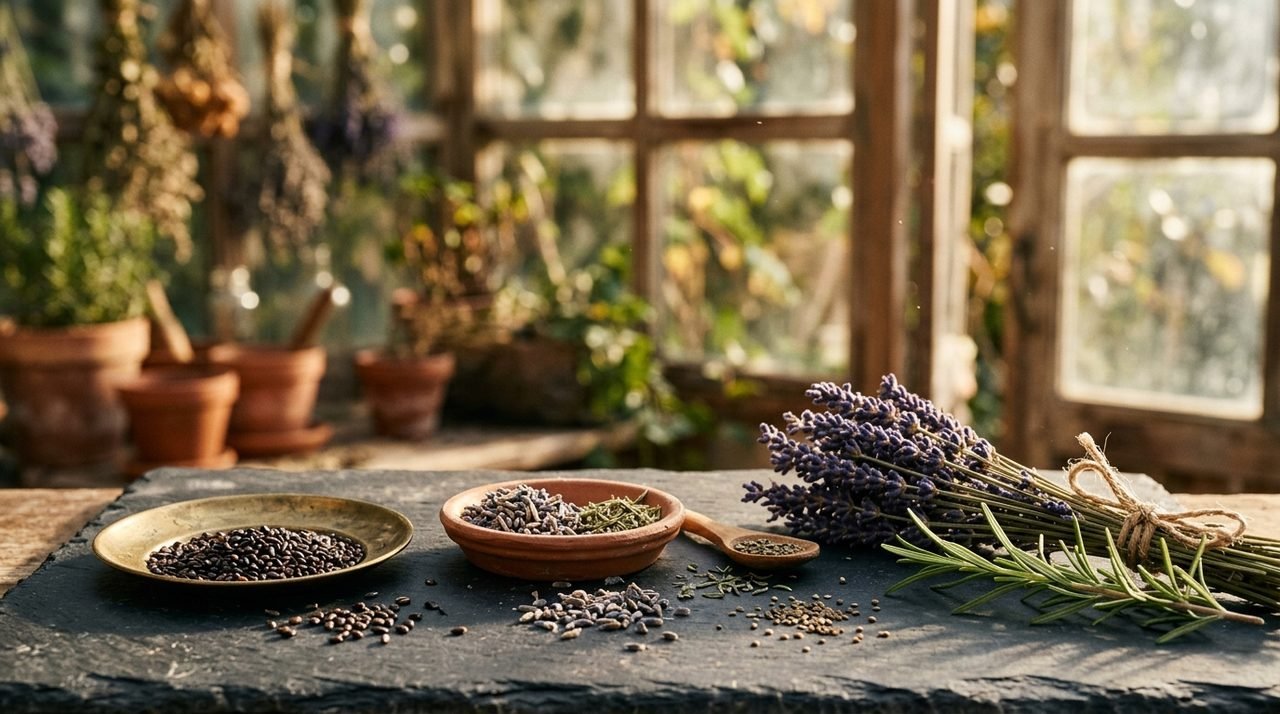
Mediterranean perennial woody herbs—such as rosemary (Salvia rosmarinus), English and French lavender (Lavandula angustifolia and Lavandula stoechas), and common creeping thyme (Thymus vulgaris)—are renowned for their aromatic essential oils, drought tolerance, and ornamental architectural beauty. However, among commercial growers and home seed propagators, these woody perennials have a notorious reputation for exhibiting some of the … Read more

About SeedLibraryAI

About SeedLibraryAI

SeedLibraryAI is a botanical research and seed conservation repository offering peer-reviewed monographs on equilibrium moisture curves, cryogenic seed vaulting, germination dormancy-breaking assays, and landrace heirloom genetics.

Learn More →
Expert Research From verified domain specialists
Technical Guides Detailed workflows & empirical analysis
Verified Quality Always updated & peer-reviewed